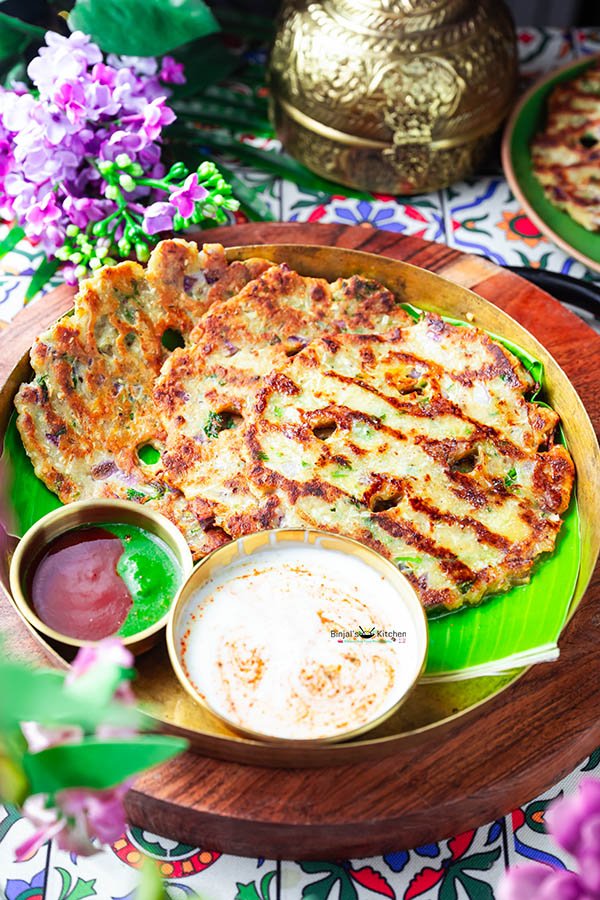
 Dudhi Che Thalipeeth is a well-loved traditional dish from Maharashtra, especially popular in households that value simple, like bathua paratha, this nourishing food made from seasonal vegetables. Thalipeeth itself has many regional variations, and this dudhi version stands out for its lightness and subtle flavor. Often enjoyed for breakfast or brunch, it is also commonly served as a comforting meal during lighter eating days, making it a familiar favorite across generations.
This dish is known for its wholesome ingredient combination that naturally supports balanced eating. Dudhi adds hydration and softness, while jowar, chickpea flour, and rice flour bring fiber, plant protein, and sustained energy. The addition of peanuts and sesame seeds contributes healthy fats and a satisfying bite, making the thalipeeth both filling and nourishing without feeling heavy.
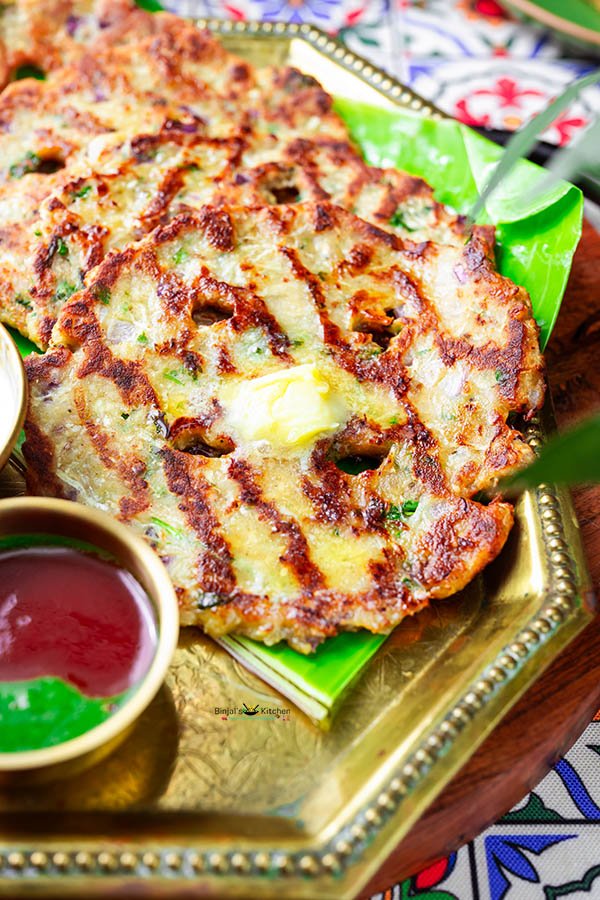 One of the reasons Dudhi Che Thalipeeth remains so popular is how easy it is to prepare using everyday pantry staples. There is no need for elaborate preparation or special equipment, and the flavors can be adjusted easily based on preference. The mild taste of dudhi pairs beautifully with aromatic spices, making this dish approachable even for those new to Maharashtrian cuisine.
Dudhi Che Thalipeeth fits effortlessly into modern lifestyles while still preserving traditional roots. It is naturally gluten free, versatile, and suitable for all age groups. Served with fresh butter, dahi, or a simple chutney, it brings comfort and familiarity to the table. Whether made for a leisurely weekend meal or a quick weekday option, this thalipeeth continues to be a timeless and nourishing choice.
Ingredients
- 2 cups Dudhi or Lauki or Bottle Gourd Peeled and Grated
- 1 cup Jowar Flour
- ½ Chickpea Flour
- ½ Rice flour
- 1 small Onion Finely Chopped
- ¼ cup Fresh Coriander Leaves Finely Chopped
- 2-3 tbsp Roasted Peanuts Crushed
- 1 tsp Sesame Seeds
- 1 tsp Carom Seeds
- Pinch of Hing
- ¼ cup Yogurt
- 2 tbsp Hot oil
- Salt to taste
For spice paste
- 2-3 Green Chilis
- 3-4 Garlic Cloves
- 1 tsp Whole Coriander Seeds
- 5-6 Black Peppercorns
- 1 tsp Cumin Seeds
Other Ingredients
- Oil or Ghee for Roasting
- Banana Leaf for Shaping
- Reserved Dudhi water as needed for kneading
Method
- Wash the dudhi thoroughly. Peel off the skin using a peeler and trim the top part.
- Grate the peeled dudhi using a box grater. Squeeze out excess water and keep this water aside to knead the dough later.
- In a large bowl, add grated and squeezed dudhi, jowar flour, chickpea flour, and rice flour.
- Add chopped onion, coriander leaves, crushed peanuts, sesame seeds, carom seeds, and salt.
- Combine green chilis, garlic, coriander seeds, and peppercorns in a blender to make a coarse paste, then mix this into the bowl.
- Add yogurt and hot oil. Mix everything well using your fingers.
- Gradually add the reserved dudhi water little by little and knead into a semi stiff dough. Cover and rest the dough for 5 minutes.
- Heat a heavy bottom griddle on medium flame.
- Lightly grease a banana leaf with oil. Take a medium sized portion of dough and place it on the leaf. Dip your fingers in water and gently pat the dough into a round thalipeeth.
- Make two to three small holes in the center using your fingers.
- Carefully lift the banana leaf and place the thalipeeth upside down on the hot griddle. Gently peel off the leaf.
- Drizzle oil or ghee around the edges and inside the holes. Cook until the bottom turns golden brown. Flip and cook the other side until crisp and evenly roasted.
- Repeat the process with the remaining dough and make more thalipeeth.
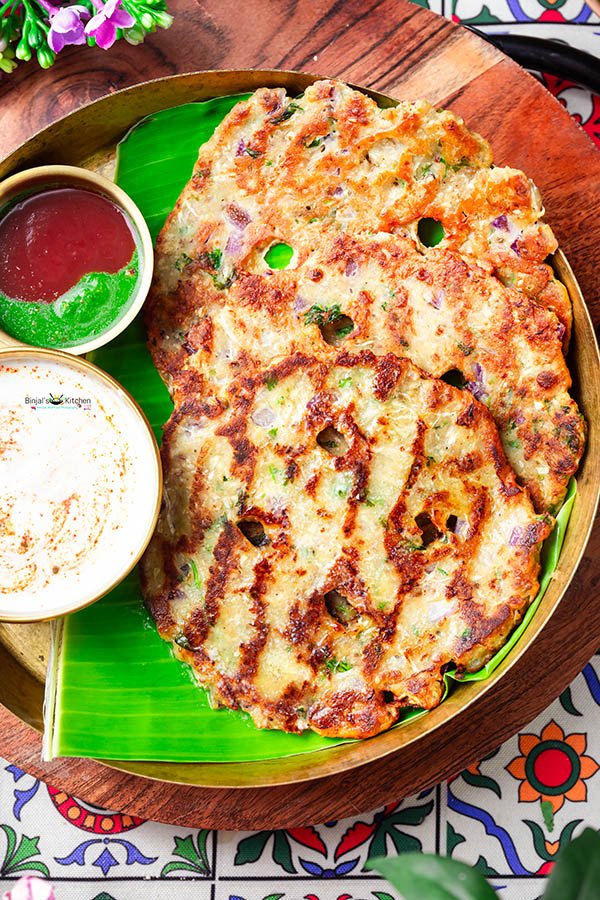
- Serve hot thalipeeth topped with butter, alongside dahi and chutneys.
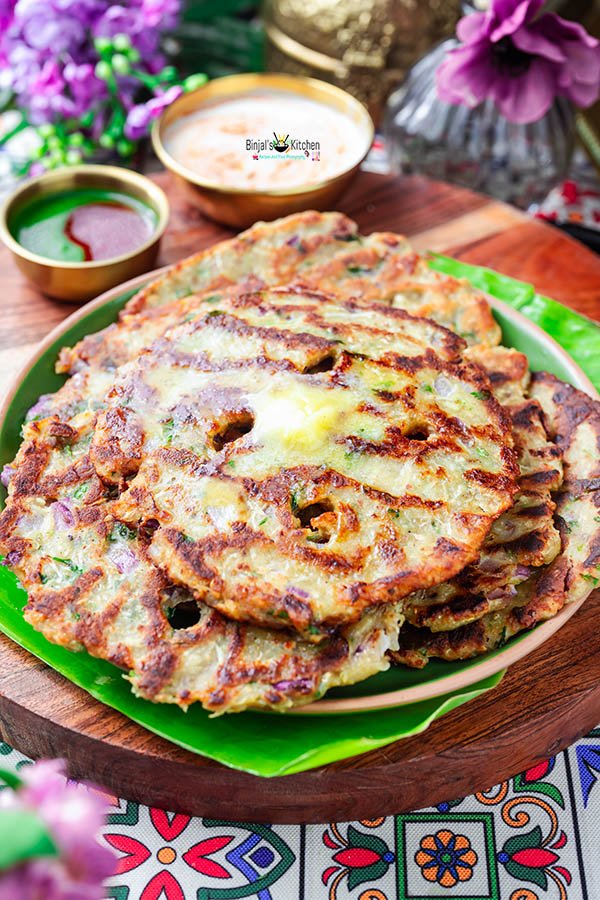
Thalipeeth is a Maharashtrian multigrain flatbread, and grating dudhi into the dough keeps it soft while adding moisture. Because it uses a mixed flour base it counts as a whole grain option too. If you cook with bottle gourd often, the Lauki Chana Dal Sabji, Lauki Kofta Curry, Lauki Ki Kheer Bottle Gourd Pudding and Dudhi Thepla are all worth a try.
Tips
• Always squeeze dudhi well to avoid a sticky dough
• Use medium heat to cook the thalipeeth evenly without burning
• Keep fingers wet while shaping for smooth edges
• If banana leaf is not available, use a lightly wet muslin cloth or parchment paper for easy shaping.
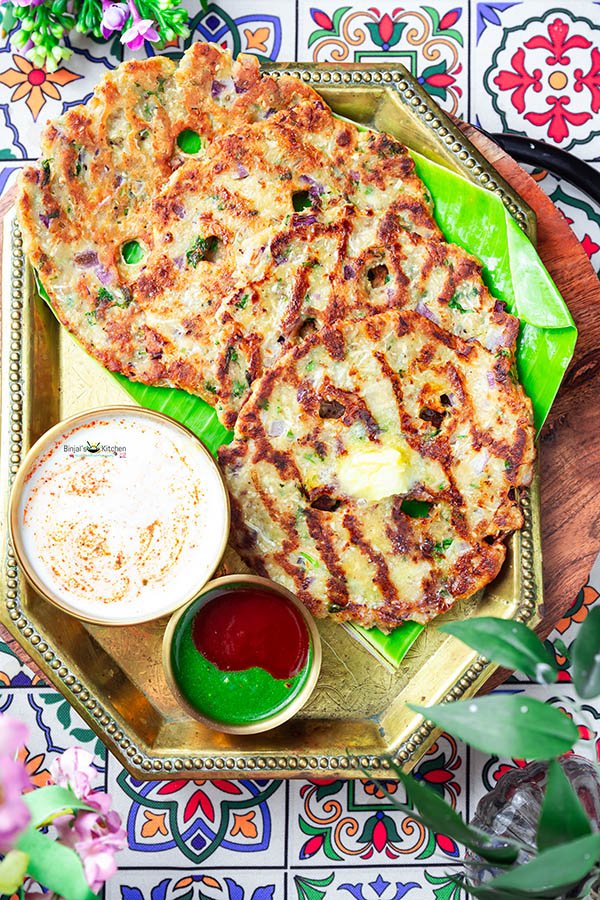
Dudhi Che Thalipeeth
Ingredients
Method
- Wash the dudhi thoroughly. Peel off the skin using a peeler and trim the top part.
- Grate the peeled dudhi using a box grater. Squeeze out excess water and keep this water aside to knead the dough later.
- In a large bowl, add grated and squeezed dudhi, jowar flour, chickpea flour, and rice flour.
- Add chopped onion, coriander leaves, crushed peanuts, sesame seeds, carom seeds, hing and salt.
- Combine green chilis, garlic, coriander seeds, cumin seeds and peppercorns in a blender to make a coarse paste, then mix this into the bowl.
- Add yogurt and hot oil. Mix everything well using your fingers.
- Gradually add the reserved dudhi water little by little and knead into a semi stiff dough. Cover and rest the dough for 5 minutes.
- Heat a heavy bottom griddle on medium flame.
- Lightly grease a banana leaf with oil. Take a medium sized portion of dough and place it on the leaf. Dip your fingers in water and gently pat the dough into a round thalipeeth.
- Make two to three small holes in the center using your fingers.
- Carefully lift the banana leaf and place the thalipeeth upside down on the hot griddle. Gently peel off the leaf.
- Drizzle oil or ghee around the edges and inside the holes. Cook until the bottom turns golden brown. Flip and cook the other side until crisp and evenly roasted.
- Repeat the process with the remaining dough and make more thalipeeths.
- Serve hot thalipeeth topped with butter, alongside dahi and chutneys.
Notes
• Use medium heat to cook the thalipeeth evenly without burning
• Keep fingers wet while shaping for smooth edges
• If banana leaf is not available, use a lightly wet muslin cloth or parchment paper for easy shaping
For more Maharashtrian everyday cooking, the Masale Bhat, Kothimbir Vadi, misal pav recipe, Sabudana Khichdi and Batata Bhaji are the ones I return to most. A bowl of Gujarati Kadhi alongside works nicely too.




Pingback: Dudhi Thepla Recipe | Lauki Thepla | Binjal's Veg Kitchen